
Knowledge - 07
History of Swiss Tobacco.
Tobacco was first documented as being cultivated in Switzerland in 1697 - by a mercenary who brought seeds from Holland. Over four centuries, this beginning developed into its own tobacco culture with highs, crises, and a present-day niche that is smaller than ever before and yet survives.
Definition
The history of Swiss tobacco spans around 330 years - from the first documented cultivation in 1697 in Wangen near Olten to industrialization in the 19th century, the Brissago manufactories, the heyday of the 1950s with over 5,000 hectares of cultivation area, the structural crisis from the 1980s, to today's niche of around 450 hectares and 130 farms.
01
1697: the mercenary with the seeds
The first documented Swiss tobacco cultivation has a name, a place, and a year.
In 1697, a mercenary from Dutch services brought tobacco seeds to Wangen near Olten. His name is preserved in the municipal archives. He had seen in Holland how farmers cultivated the then exotic tobacco, and tried the process at home. The first plants grew in his home garden.
Tobacco was still new in Central Europe at that time. The plant had only arrived in Europe from America about 150 years earlier, initially as an ornamental plant and remedy. It was not until the 17th century that consumption as a luxury good became widespread - as pipe tobacco and snuff, long before the cigarette.
Within a few decades, the Wangen home garden became a local cultivation that spread across the Solothurn and Aargau Mittelland.
02
18th century: spread in the Confederacy
Tobacco became a farmer's crop long before it became an industry.
During the 18th century, tobacco cultivation spread across what are now the cantons of Aargau, Solothurn, Bern, Fribourg, and Vaud. Tobacco was considered a suitable complement to grain cultivation - it brought cash income for small farms that otherwise lived from subsistence farming.
The Confederacy viewed the new economic activity with skepticism. Some localities temporarily imposed tobacco bans for moral or agricultural reasons - tobacco competed with bread grain for arable land. These bans were usually lifted within a few years because they did not hold up under pressure from planters and traders.
In the Broye Valley - today the center of Swiss tobacco cultivation - cultivation began to be documented around 1750. The calcareous clay soils and mild climate proved ideal.
03
19th century: industrialization and first manufactories
The Swiss tobacco industry emerged with the cigar.
The second half of the 19th century brought industrialization. First cigarette machines, first tobacco mills, first manufactories with dozens of employees. Swiss tobacco found its market domestically and partly in export, especially to France and Germany.
Economic importance grew rapidly. Around 1900, about 8,000 hectares of tobacco were cultivated in Switzerland, across several thousand farms. For many farms in the Mittelland and Ticino, tobacco was the most important cash crop of the year.
Planters' associations emerged during this phase. In 1928, the cooperative SOTA (Société Coopérative pour l'Achat du Tabac Indigène), still existing today, was founded, later merging into SwissTabac.
04
Brissago: the Ticino cigar manufactory
In Ticino, its own tobacco tradition emerged, which continues to this day.
The Brissago manufactory, founded in 1847 on Lake Maggiore, became the most famous Swiss cigar brand. Brissago cigars - thin, long, with a characteristic straw in the mouthpiece - were a popular Swiss product around 1900 and at the same time an export item.
At its peak, the Brissago factory employed over 1,000 women who rolled cigars at home or in the factory. These jobs were central to the Ticino economy because they enabled women to gain economic independence long before it was socially widespread.
The Brissago brand still exists today, albeit in a greatly reduced form. Production is part of the Swiss tobacco tradition, but today it is a niche.
05
20th century: heyday and decline
After the war, Swiss tobacco cultivation reached its peak - before shrinking to a niche.
In the 1950s and 60s, Swiss cultivation area reached its peak with over 5,000 hectares. Tens of thousands of farms cultivated tobacco, many of them only a few ares as a secondary crop. Tobacco was a national livelihood.
From the 1970s, the decline began. The international tobacco market globalized. Swiss industrial manufacturers switched to significantly cheaper imported goods from Brazil, Malawi, Zimbabwe. Swiss tobacco was only mixed in small proportions.
By the mid-2000s, the cultivation area shrank to around 600 hectares, the number of planters to a few hundred. Many farms exited because tobacco was hardly profitable without state support.
Today, the cultivated area is 450 hectares with around 130 farms. This is stabilization at a low level - supported by planters who maintain the tradition, and by a few brands that exclusively process Swiss tobacco.
From 5,000 hectares in the 1950s to 450 today. Tobacco in Switzerland is now a niche, but alive.
06
Today: small niche, clear character
The structural crisis has been overcome - what remains is a dedicated community of planters.
Heimat Original was founded in 2018 with the explicit goal of being the only cigarette brand that exclusively processes Swiss tobacco. This decision was economically risky, but culturally consistent - Swiss tobacco needs Swiss buyers, otherwise it will disappear.
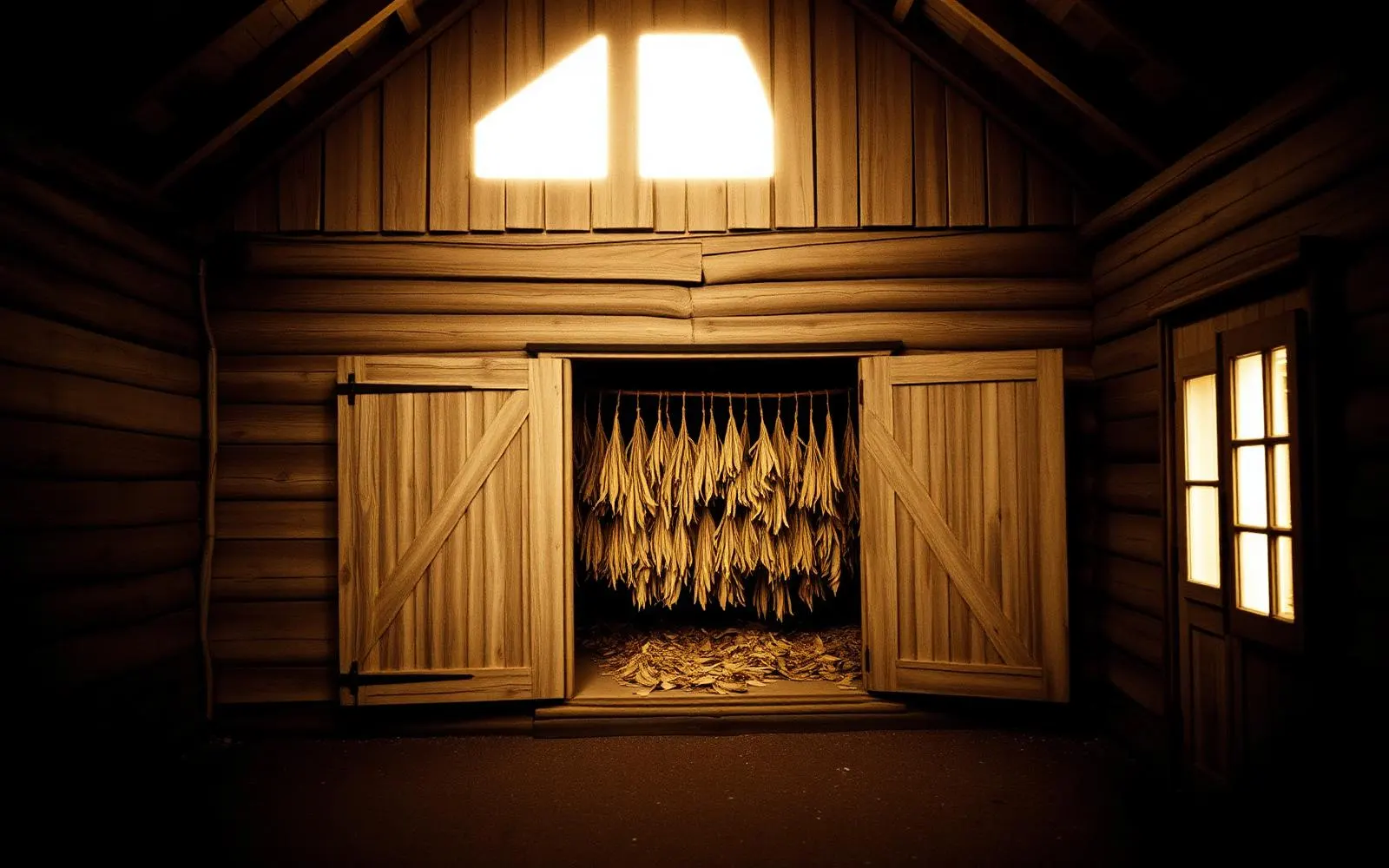
The planters who deliver today are typically the second or third generation on their farms. Their tobacco sheds have stood since the 19th century, their harvesting methods adapted over generations. This continuity is the true heritage of 330 years of tobacco tradition.
What began in a home garden in Wangen in 1697 continues today in a thinned out but precise form. Swiss tobacco is small, clear, local, and precisely in this form, survivable.
Frequently Asked Questions
Swiss Tobacco History in Detail
The first documented Swiss tobacco cultivation dates back to 1697, in Wangen near Olten. A mercenary from Dutch services brought the seeds.
In the 1950s and 60s, with over 5,000 hectares of cultivated land and tens of thousands of planters. Since then, the area has continuously decreased to its current approximately 450 hectares.
Brissago was a cigar manufactory founded in 1847 on Lake Maggiore, which became the most famous Swiss cigar brand. The characteristic thin, long cigars with a straw were a popular Swiss product around 1900.
The globalization of the tobacco market from the 1970s made imported goods from emerging countries significantly cheaper. Swiss industrial manufacturers switched to blended tobaccos, making Swiss tobacco marginal.
SOTA (Société Coopérative pour l'Achat du Tabac Indigène) was the planters' cooperative founded in 1928, which today organizes Swiss tobacco cultivation under the name SwissTabac.
Heimat Original is today the only cigarette brand that exclusively processes Swiss tobacco. The brand was founded in 2018, with the explicit goal of strengthening the Swiss farming community as a customer.
Cultivation is legal and regulated. Advertising, sale, and consumption of tobacco products are subject to increasing restrictions nowadays, but cultivation itself is not.
Vertiefung
Im Journal weiterlesen
Read more