
N°09 · Journal
Swiss terroir - what soil, altitude and climate leave in the leaf
Terroir is well known from wine. In tobacco it remains barely studied - and nowhere in Europe does it show as clearly as here.
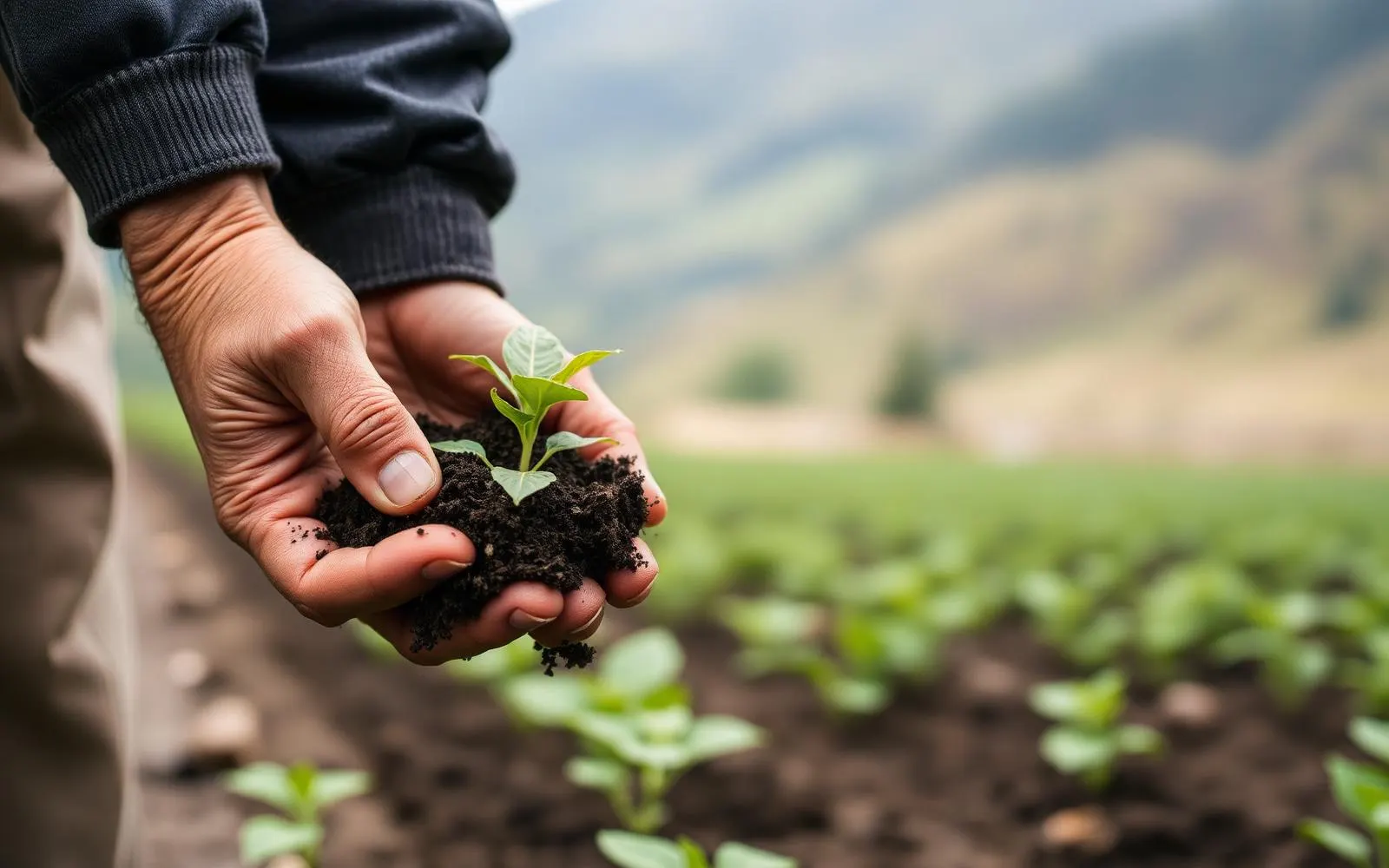
In wine, terroir is an established concept. In tobacco it is largely unexplored - all the more surprising when you know that the tobacco plant reacts to its site even more sensitively than the vine. Small as it is, Swiss tobacco is one of the most striking examples of what terroir leaves in the leaf.
Four factors that decide everything
1. Geology and soil chemistry
Swiss tobacco soils are geologically young and varied. In the Broye, loamy alluvium sits on top of molasse - rich in potassium and magnesium, only moderately supplied with nitrogen. Precisely what produces leaves with clean combustion and a quiet, balanced aroma. Ticino's slope soils, by contrast, are acidic, mineral and considerably drier - pushing profiles toward something spicier and more robust.
2. Altitude
Swiss tobacco grows between 430 m (Broye plain) and 700 m (sun-facing Ticino slopes). It sounds modest but the effect is real: per 100 m of altitude, mean temperature drops about 0.6 °C, UV intensity rises, drying lengthens. Higher-grown leaves are denser, darker and more concentrated.
3. Cool nights
Perhaps the most important Swiss advantage. While the plant photosynthesises by day and builds sugar, warm nights would burn some of it off again. Cool nights (typically 10-14 °C in July/August) curb that respiratory loss sharply. The result: more aromatic dry matter per leaf.
4. Rainfall patterns
By European standards Switzerland has even rainfall - no weeks-long summer rain like northern Italy, no Mediterranean droughts. Tobacco plants grow continuously, without stress peaks. That lowers the risk of "sharp" vintages with high nitrate residues.
How terroir can be measured
Each year we sample every plot of our growing partners and have it analysed. Three values produce a remarkably consistent per-site profile across years:
- Reducing sugars: 0.5-1.2 % (typical for Swiss Burley), versus 1.5-3 % for Burley from warmer climates.
- Total nitrogen: 2.8-3.4 % - in the optimal range for aromatic balance.
- Nicotine: 1.8-2.8 % - mild to medium, well below Kentucky values.
Terroir isn't romance. It is measurable - and it tastes of itself, whether you run the lab work or not.
Sensory signature
Anyone who has blind-tasted Swiss Burley from different plots over five years recognises a recurring signature:
- Cool, clear attack on the palate.
- Mid-body with walnut and hay.
- Little sharpness, no ammonia.
- Dry, mineral finish with a quiet sweetness.
This signature is remarkably stable across vintages. It shifts gradually with the climate - the 2024 vintage is a textbook example - but it does not disappear. That is what we call Swiss terroir.
Why it matters
In a globalised tobacco industry where three-continent blends are forced together to manufacture flavour constancy, an independent regional profile is rare. Switzerland produces less than 0.01 % of the world's tobacco. But it produces tobacco that can only taste like this, here. That is worth more than the numbers suggest.